
Japanese Local Culinary Culture: A Deep Dive into Regional Flavors
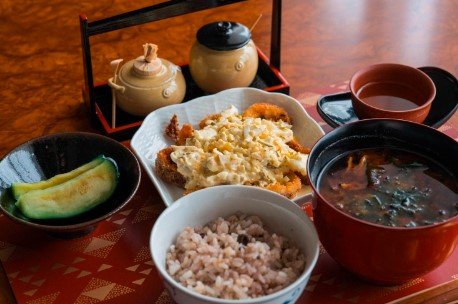
Japanese cuisine shines globally for its focus on fresh ingredients, meticulous presentation, and harmonious flavors. Beyond the renowned sushi and ramen, Japanese culinary culture reveals a rich tapestry through its regional specialties. Each area of Japan boasts unique traditions and specialties, reflecting local ingredients, climate, and historical influences. This article explores the diverse local culinary cultures of Japan, showcasing how regional foods offer a glimpse into the country’s rich heritage.
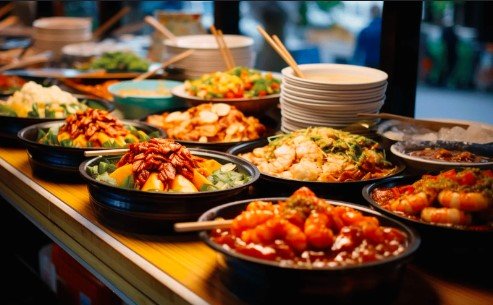
Regional Specialties: A Culinary Journey Through Japan
Hokkaido: The Land of Bountiful Seafood
Hokkaido, Japan’s northernmost island, offers pristine natural beauty and abundant seafood. The cold waters around Hokkaido deliver some of the finest seafood in Japan, including king crab, sea urchin, and scallops. Local specialties such as “soup curry,” a flavorful curry dish with a soupy consistency, and “Jingisukan,” a lamb BBQ, reflect the region’s unique climate and agricultural practices. Hokkaido’s dairy products, like rich, creamy cheeses and soft-serve ice cream, stand out due to the island’s vast pastures and dairy farms.
Tohoku: Heartwarming Flavors from the North
Tohoku, the northeastern region of Honshu, features hearty, comforting dishes perfect for the cold winters. Famous dishes include “Kakuni,” braised pork belly, slow-cooked in soy sauce, sugar, and sake until tender. Another local favorite, “Ichinoseki ramen,” offers a rich, umami-filled broth with flavorful toppings. Tohoku’s agriculture produces distinctive ingredients such as “Kura-zukuri” soy sauce, aged in traditional clay pots for a deeper flavor.
Kanto: A Blend of Tradition and Modernity
The Kanto region, encompassing Tokyo and its surrounding areas, blends traditional and modern culinary influences. Tokyo showcases iconic dishes like “Edomae sushi,” a style of sushi made with fresh fish from Tokyo Bay, and “Tempura,” which originated in the Edo period. The region also features “Monjayaki,” a savory pancake with a gooey batter and mix-ins like seafood, vegetables, and meats. Kanto’s diverse food scene mirrors Tokyo’s dynamic nature, blending traditional flavors with contemporary innovations.
Kansai: The Birthplace of Iconic Dishes
Kansai, located in the central part of Honshu, often stands as the birthplace of many beloved Japanese dishes. Osaka, the region’s culinary capital, delights with “Okonomiyaki,” a savory pancake filled with various ingredients and topped with a tangy sauce. Kyoto, another Kansai city, showcases “Kaiseki” cuisine, a multi-course meal emphasizing seasonal ingredients and meticulous presentation. “Takoyaki,” octopus-filled dough balls, and “Kushikatsu,” skewered and fried meats and vegetables, demonstrate the region’s inventive and playful approach to food.
Chugoku: Traditional Flavors with a Local Twist
The Chugoku region, situated in western Honshu, presents a range of regional specialties influenced by its diverse geography. Hiroshima’s “Okonomiyaki” features a unique style with layers of noodles, cabbage, and a savory sauce. The region is also known for “Oysters from Kaki,” farmed in the calm waters of the Seto Inland Sea and prized for their sweet, briny flavor. In Chugoku’s mountainous areas, “Tottori beef,” renowned for its marbling and tenderness, offers high-quality steak or sukiyaki.
Shikoku: A Culinary Haven for Noodles and Citrus
Shikoku, Japan’s smallest major island, shines with distinctive culinary offerings, including “Sanuki Udon,” a type of thick, chewy noodle from Kagawa Prefecture. Typically served in a simple, flavorful broth with various toppings, Sanuki Udon stands out. Shikoku is also famous for “Yuzu,” a citrus fruit used to flavor everything from sauces to desserts. The island’s agricultural products and seafood contribute to a diverse culinary landscape, highlighting local ingredients and traditional preparation methods.
Kyushu: The Southern Treasure of Spicy Flavors
Kyushu, Japan’s southernmost island, features bold and spicy flavors. “Hakata Ramen,” from Fukuoka, boasts a rich, creamy pork bone broth that sets it apart from other regional ramen styles. The island also offers “Kumamoto ramen,” characterized by its savory, soy-based broth and tender slices of pork. Kyushu’s cuisine reflects the island’s vibrant food culture, including “Motsunabe,” a hearty hot pot dish made with beef or pork offal, and “Sweet Potatoes,” used in various traditional and modern dishes.
The Influence of Seasonal Ingredients and Festivals
Japanese local culinary culture remains deeply connected to the seasons, with each region celebrating local ingredients through seasonal festivals and special dishes. The changing seasons highlight different ingredients, from fresh spring vegetables and summer seafood to autumnal mushrooms and winter root vegetables. Festivals, known as “Matsuri,” feature seasonal foods and provide a chance to experience regional specialties in their cultural context.
Conclusion
Japanese local culinary culture reveals a rich and varied tapestry of flavors and traditions, reflecting the country’s diverse geography and history. From Hokkaido’s seafood-rich dishes to Kyushu’s spicy ramen, each region offers a unique culinary identity shaped by local ingredients and customs. Exploring these regional specialties not only provides a deeper understanding of Japanese cuisine but also emphasizes the role of food in connecting people to their cultural heritage.
Related Posts
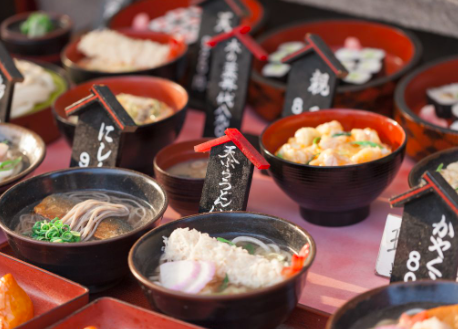
Exploring Some Japanese Cooking Routines
Japanese cooking is renowned for its delicate balance of flavors,…

Essential Cooking Techniques for Mastering the Art of Cuisine
Cooking is an art that combines creativity, technique, and knowledge.…
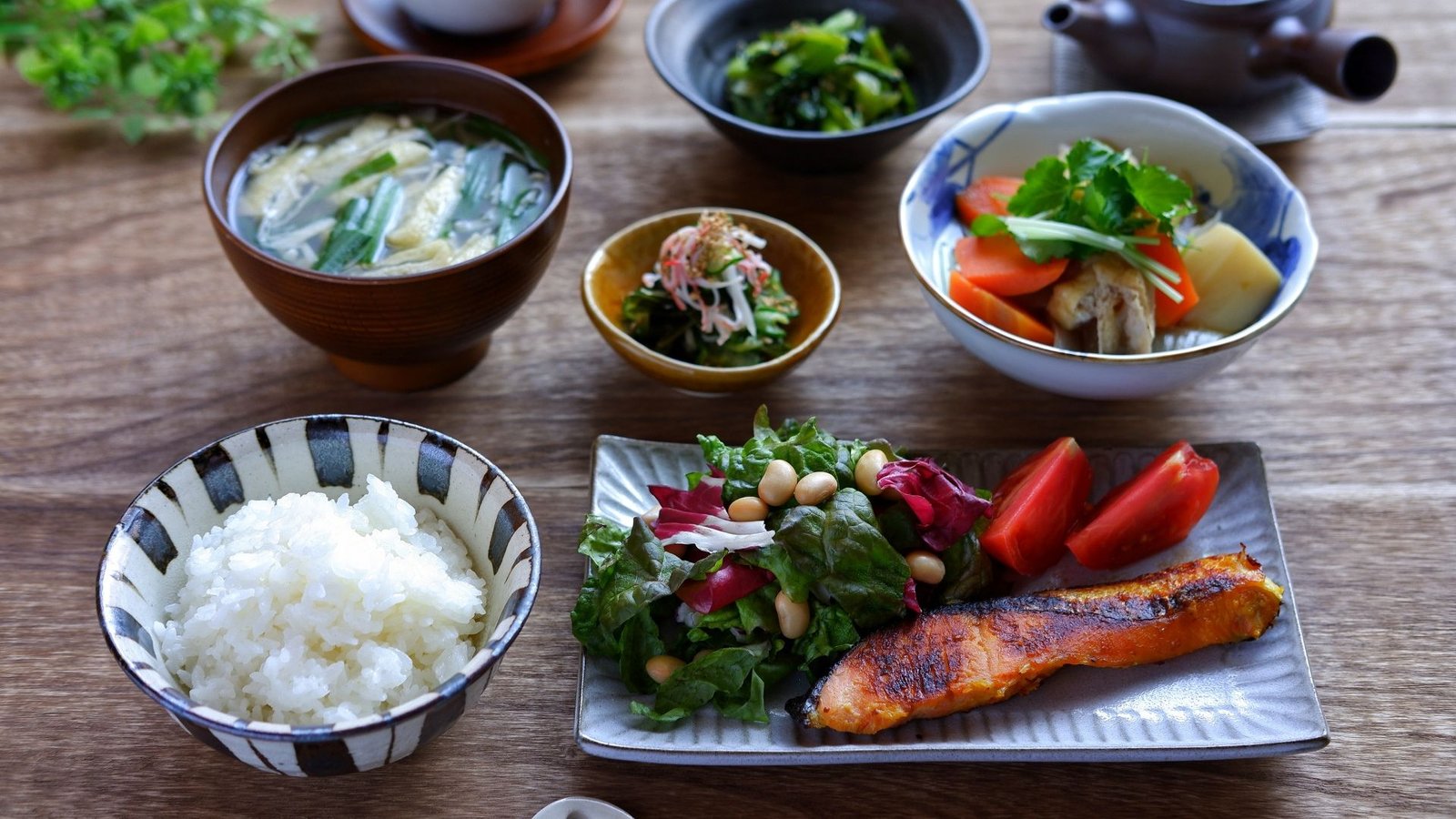
Popular Japanese Recipes to Try Now
Are you eager to add some excitement to your cooking…